Checking Moles as a Family: When a Skin Change Needs a Specialist Most families have some version of the same ritual: someone notices a new mole on a partner's back, or a parent points out that a child's freckle looks different this summer, and the moment usually passes without much thought. It should get more attention than it typically does. Around 15,400 people are diagnosed with melanoma in the UK each year, and catching a change early is consistently the single biggest factor in how treatable it turns out to be. What makes melanoma particularly worth this attention is how disproportionate the stakes are relative to how simple the check itself is. A two-minute look at a partner's back costs nothing and takes almost no time, yet the difference between catching a melanoma at an early, thin stage versus a later, thicker one can be the difference between straightforward surgical removal and a far more complex treatment pathway. What Makes Checking a Family Habit Rather Than a Chore A skin check works better as a shared, low-key routine than as an anxious solo task done once a year and forgotten. Partners checking each other's backs, shoulders and scalp, areas nobody can see easily alone, catches far more than any single person checking themselves in a mirror. Booking private skin cancer treatment in London becomes relevant the moment a family check turns up something that looks genuinely different rather than just new; most moles that appear over time are harmless, but the ones that change shape, colour or border deserve a specialist look rather than a wait-and-see approach. Couples in particular tend to underestimate how much they miss on their own bodies. The upper back, backs of the ears and scalp are consistently the areas where concerning moles go unnoticed longest, simply because they're the hardest places to see without help, which is precisely why a shared checking habit outperforms a solo one. The Signs Worth Actually Learning Dermatologists commonly teach the ABCDE method: asymmetry, irregular borders, colour variation, diameter over roughly six millimetres, and evolution over time. No single feature confirms cancer on its own, but a mole showing two or more of these is worth a professional opinion rather than continued monitoring at home. Evolution tends to be the feature families notice first, since it requires comparing a mole to how it looked months earlier. This is one reason some households now keep dated phone photos of moles that seem borderline, a simple habit that makes genuine change far easier to spot than relying on memory alone. Colour variation deserves particular attention because it's the feature people most often talk themselves out of. A mole with several shades of brown, or patches of red, white or blue within it, looks unusual enough that most people notice it, yet many still wait months before mentioning it to anyone, assuming it will settle down on its own. For context on how common melanoma actually is, UK statistics on melanoma incidence show around 15,400 new diagnoses each year, a figure that has climbed steadily for decades and underlines why a family habit of checking, rather than a once-in-a-while glance, is worth the small effort it takes. Why Family History Changes the Calculation A first-degree relative with melanoma roughly doubles an individual's own risk, which is a meaningful enough jump that many specialists recommend more frequent skin checks for people with that history, rather than the standard annual look. Fair skin, red or blonde hair, and a history of severe childhood sunburns compound that risk further. Families with several of these factors clustered together sometimes benefit from a baseline mole-mapping session with a dermatologist, essentially a full-body photographic record that makes future comparison far more precise than memory. This kind of baseline record matters most for families with dozens of moles rather than just a handful, since it's genuinely difficult for a dermatologist, let alone a family member, to remember what forty separate moles looked like a year earlier without a photographic reference to compare against directly. What Actually Happens at a Specialist Appointment A consultation for a suspicious mole typically starts with dermoscopy, a magnified, illuminated examination that reveals pigment patterns invisible to the naked eye. Most concerning moles are assessed this way before any decision is made about biopsy, which keeps unnecessary procedures to a minimum. If a biopsy is recommended, it's usually a short outpatient procedure under local anaesthetic, and most patients are back to normal activity within a day or two. The waiting period for pathology results afterward tends to be the part patients find hardest, not the procedure itself. Most biopsy results come back within one to two weeks, and the overwhelming majority turn out benign. Patients who go through this process once often say the anticipatory anxiety was worse than anything about the actual appointment, which is worth knowing going in if a family member is nervous about booking that first consultation. Making the Habit Stick Beyond the First Check The families who keep this up long-term tend to tie it to something already happening regularly, checking moles while applying sunscreen before a holiday, or during an existing seasonal routine, rather than trying to remember a separate calendar reminder. It's also worth normalising the conversation with children early, since teaching a ten-year-old that skin checks are ordinary rather than alarming tends to produce adults who monitor their own skin without anxiety later in life. None of this requires turning a household into a clinical environment. The families who sustain the habit longest tend to keep it brief, matter-of-fact and unremarkable, treating a mole check the same way they'd treat checking smoke alarm batteries: routine, low-drama, and easy to keep doing precisely because it never became a big production in the first place.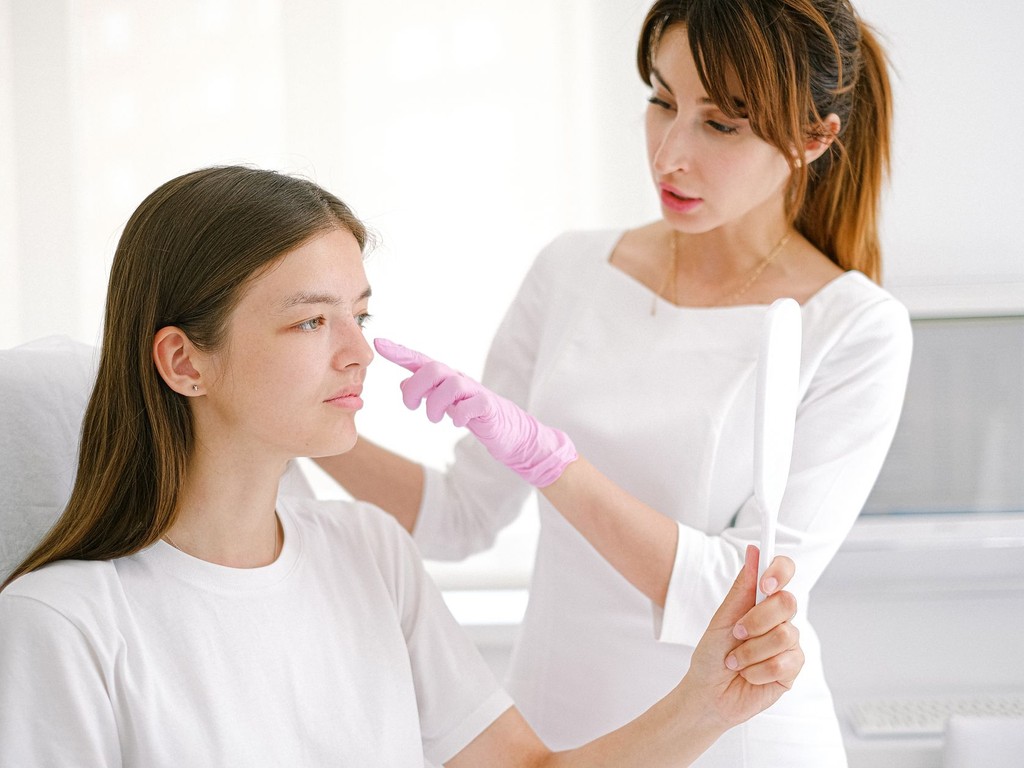
Checking Moles as a Family: When a Skin Change Needs a Specialist